
There’s something deeply comforting about coming home to the smell of a meal that’s been slowly cooking all day. When you lift the lid and see tender chunks of beef surrounded by a rich, savory broth, you know dinner is going to be worth the wait. If you’ve ever struggled with tough meat, bland flavor, or watery results, this guide to slow cooker beef stew is written for you.
You don’t need chef-level skills or fancy equipment. You just need the right ingredients, a few smart techniques, and a clear understanding of how slow cooking really works. By the end of this article, you’ll know exactly how to make a slow cooker beef stew that turns out deeply flavorful, hearty, and consistently tender, every single time.
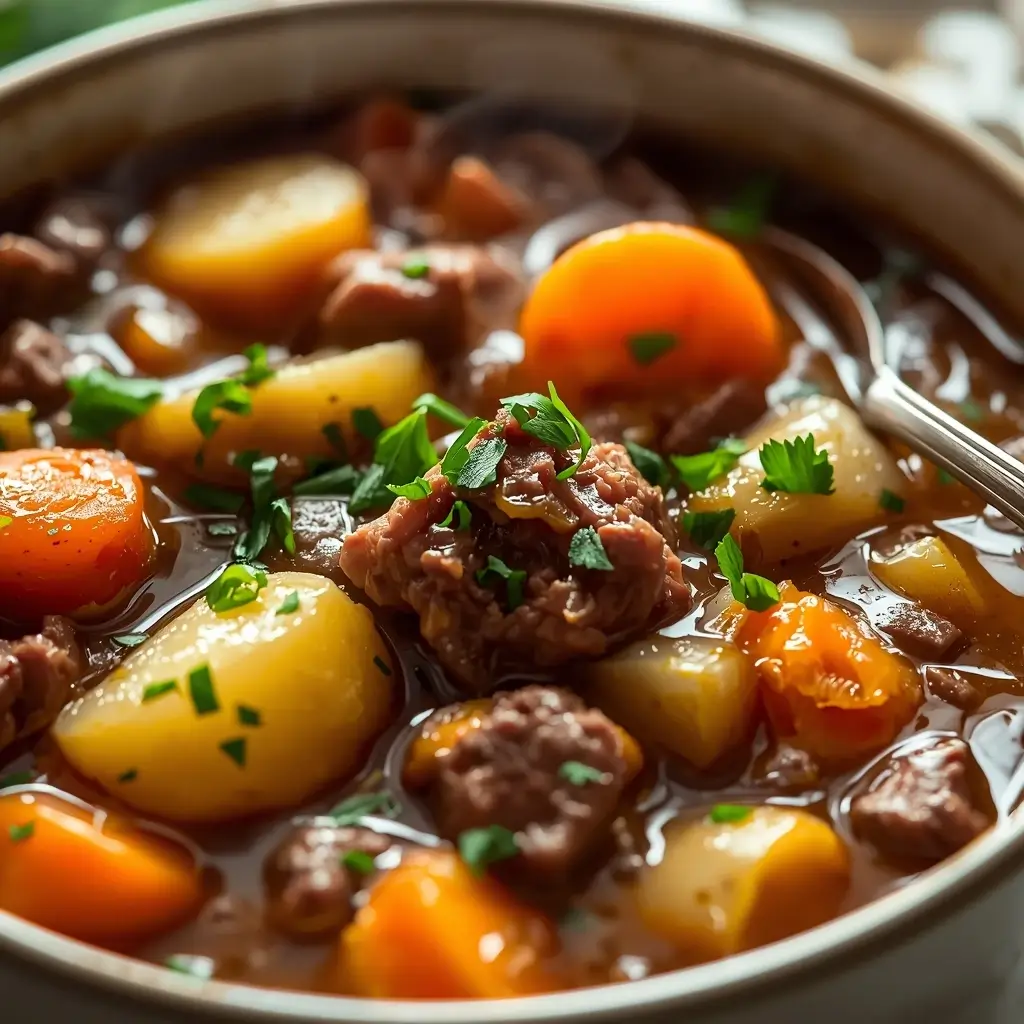
Slow Cooker Beef Stew
Ingredients
Equipment
Method
- Cube beef and chop vegetables.
- Optional: brown beef in a skillet.
- Add beef, vegetables, broth, and tomato paste to slow cooker.
- Season with herbs, salt, and pepper.
- Cook 7–8 hours on LOW or 4–5 hours on HIGH.
- Adjust seasoning and serve.
Notes
🧾 Full Nutrition Facts (Per Serving)
| Nutrient | Amount |
|---|---|
| Calories | 450 kcal |
| Total Fat | 20 g |
| Saturated Fat | 7 g |
| Cholesterol | 95 mg |
| Sodium | 520 mg |
| Carbohydrates | 28 g |
| Sugars | 5 g |
| Protein | 36 g |
(Values may vary depending on ingredient brands.)
What Makes Slow Cooker Beef Stew the Perfect Comfort Dish.
Slow cooker beef stew isn’t just a recipe, it’s a solution. When your schedule is full and your energy is low, this is the kind of meal that works with you, not against you.
Here’s why it should always be on your meal plan:
- Low effort, high reward: You prep once, then let time do the work.
- Deep flavor development: Long, gentle heat allows flavors to blend naturally.
- Budget-friendly: Tougher, affordable cuts of beef become tender and rich.
- Perfect for leftovers: It often tastes even better the next day.
When you cook stew slowly, connective tissues in the beef break down gradually, turning firm meat into soft, melt-in-your-mouth bites. That’s something fast cooking simply can’t replicate.
What Makes the Best Slow Cooker Beef Stew?
Not all stews are created equal. If you want the best beef stew, a few fundamentals matter more than anything else.
Choosing the Right Cut of Beef
The cut of beef you choose will determine whether your stew feels luxurious or disappointing.
Best choices for slow cooker beef stew:
- Beef chuck(top choice)
- Beef shoulder
- Blade roast
These cuts have enough fat and connective tissue to stay moist and tender during long cooking times.
Avoid these cuts:
- Sirloin
- Round steak
- Pre-cut “stew meat” with no label (often too lean)
Lean beef cooks faster but dries out in the slow cooker, leaving you with chewy results.
The Secret to Tender, Fall-Apart Beef
If your beef has ever turned out tough, it’s usually because of one of these reasons:
- Cooking too hot, too fast
- Using the wrong cut
- Not allowing enough time
Low heat over several hours gives collagen time to soften. Patience isn’t optional here, it’s the key ingredient.
Ingredients for the Best Slow Cooker Beef Stew
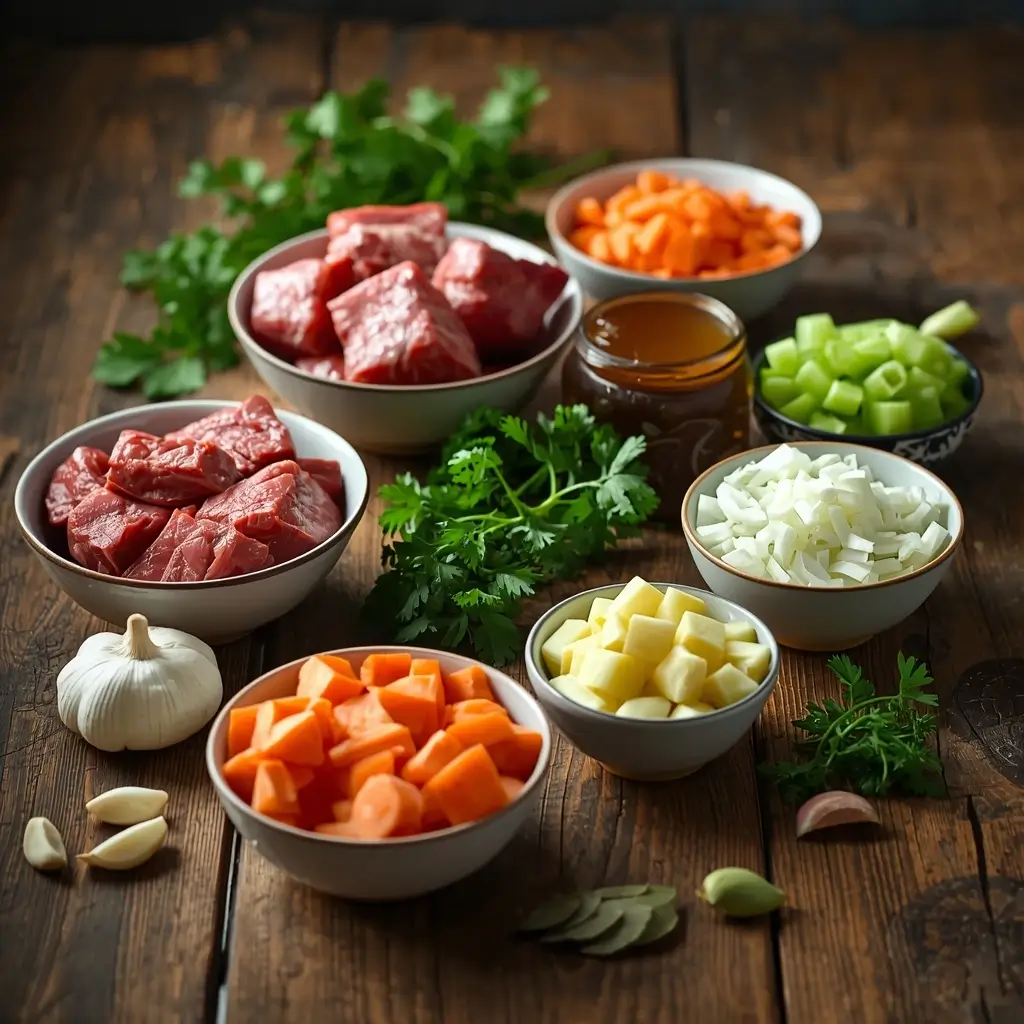
A great stew starts with simple ingredients used correctly. Quality matters more than quantity.
Essential Ingredients Table
| Ingredient | Purpose | Tips |
| Beef chuck | Main protein | Cut into 1½-inch cubes |
| Potatoes | Body and texture | Yukon gold or russet |
| Carrots | Natural sweetness | Cut thick to hold shape |
| Onion | Flavor base | Yellow works best |
| Garlic | Aromatic depth | Fresh, not powdered |
| Beef broth | Stew base | Low-sodium preferred |
| Tomato paste | Richness | Small amount goes far |
| Herbs | Balance | Thyme, bay leaf |
| Salt & pepper | Seasoning | Season in layers |
Optional flavor boosters include Worcestershire sauce, a splash of red wine, or a dash of smoked paprika.
Step-by-Step Method for Slow Cooker Beef Stew
You don’t need complicated steps, but order and timing matter.
Preparation Steps
- Season the beef generously with salt and pepper.
- Brown the beef (optional but recommended):
- Sear in a hot pan until golden.
- This adds depth and color you can’t get later.
- Prep vegetables:
- Cut potatoes and carrots into large chunks.
- Dice onions evenly for consistent cooking.
Slow Cooker Assembly
Layering matters more than most people realize.
- Place onions and garlic at the bottom
- Add browned beef
- Layer carrots and potatoes on top
- Stir in tomato paste and herbs
- Pour in broth until ingredients are just covered
Cooking Time
- Low setting: 7–8 hours (best results)
- High setting: 4–5 hours
Resist the urge to lift the lid. Every time you do, you lose heat and extend the cooking time.
How to Thicken Slow Cooker Beef Stew
If your stew tastes great but feels thin, don’t worry—you can fix that easily.
Thickening Methods
- Cornstarch slurry:
Mix 1 tablespoon cornstarch with 2 tablespoons water. Stir in during the last 30 minutes. - Flour method:
Toss beef in flour before browning. - Natural thickening:
Mash a few cooked potatoes directly into the stew.
Avoid adding flour directly to hot liquid, it clumps and ruins texture.
Common Mistakes to Avoid
Even a reliable recipe can fail if you overlook the basics. Watch out for these common issues:
- Using lean beef cuts
- Adding too much liquid
- Overcrowding the slow cooker
- Cutting vegetables too small
- Skipping seasoning until the end
Seasoning in layers helps every bite taste balanced, not flat.
Serving and Storage Tips
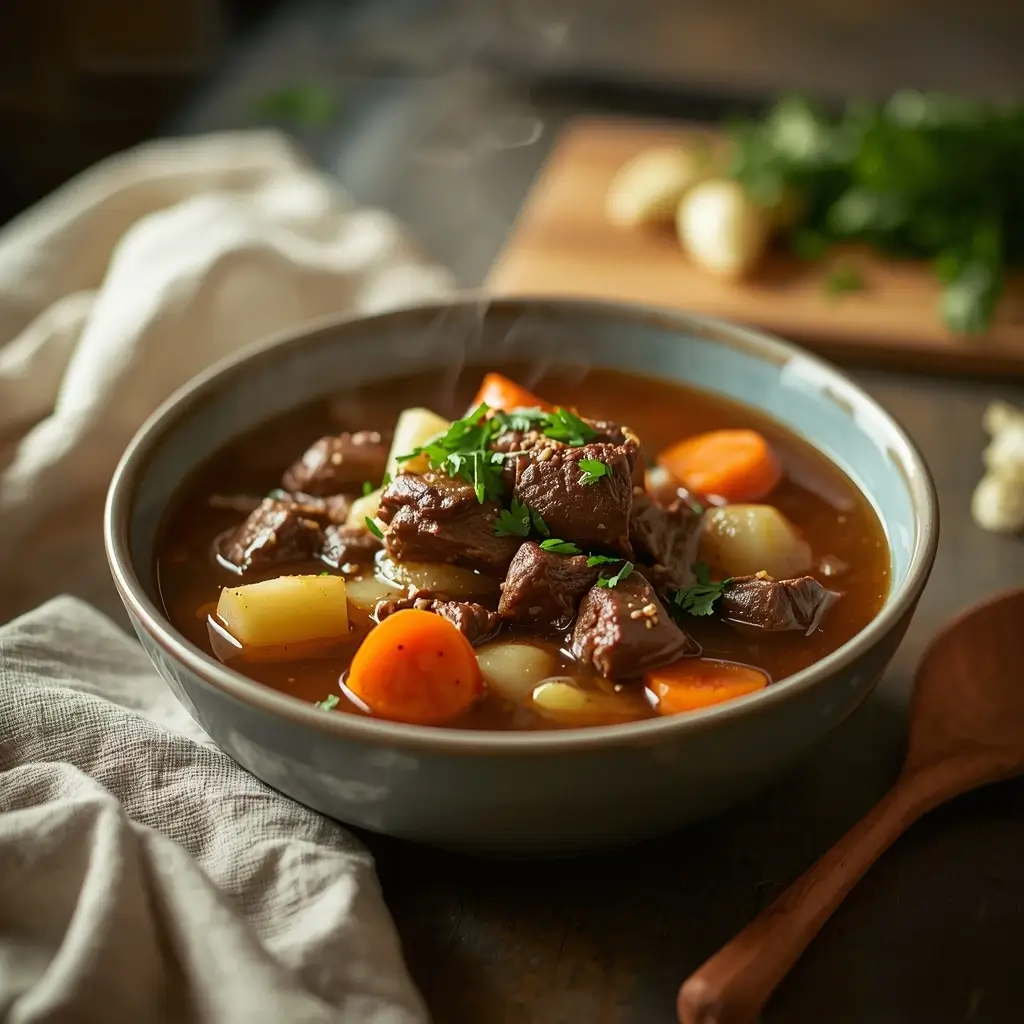
Best Ways to Serve Slow Cooker Beef Stew
You can serve your stew as-is, or pair it with:
- Crusty bread or dinner rolls
- Creamy mashed potatoes
- Steamed rice
- Buttered noodles
Storing and Reheating
- Refrigerator: Up to 4 days in an airtight container
- Freezer: Up to 3 months
Warm it slowly on the stove or in the microwave, stirring in a bit of broth if it seems dry.
Delicious Variations to Try
Once you master the base recipe, you can adapt it easily.
- Gluten-free: Use cornstarch instead of flour
- Low-carb: Skip potatoes and add turnips
- Spicy: Add chili flakes or chipotle
- Red wine beef stew: Replace part of the broth with dry red wine
Each variation keeps the soul of slow cooker beef stew intact while giving you something new.
Frequently Asked Questions About Slow Cooker Beef Stew
Can you put raw beef directly into slow cooker beef stew?
Yes, you can. Browning isn’t required for safety, but it adds much richer flavor.
Why does the beef in my slow cooker stew turn out tough?
Most often, the cut was too lean or it didn’t cook long enough on low heat.
How long should slow cooker beef stew cook?
For optimal flavor, let it simmer on low for 7 to 8 hours. Shorter times don’t fully tenderize the beef.
Can slow cooker beef stew be frozen?
Absolutely. Let it cool completely before freezing to preserve texture and flavor.
Conclusion: A Stew You’ll Want to Make Again and Again
When you understand how slow cooker beef stew really works, it stops being hit-or-miss and starts becoming dependable. You get tender beef, bold flavor, and a meal that feels like it took far more effort than it actually did.
Now it’s your turn. Try this method, make it your own, and don’t be afraid to experiment with flavors. If this guide helped you cook with more confidence, share it with someone who loves comfort food as much as you do, or leave a comment and tell us how your stew turned out. Your next favorite meal might already be simmering.
LEAVE A COMMENT
There are no reviews yet. Be the first one to write one.