
Missing Bread Doesn’t Mean You Have to Give It Up
When you first switch to keto or gluten-free eating, keto bread is usually the hardest thing to let go of. It’s not just food, it’s habit. Toast in the morning, sandwiches during a busy day, or a soft slice beside dinner… it quietly becomes part of your routine.
Then suddenly, it’s gone, and you start noticing the gap it leaves behind.
That’s exactly where keto bread becomes a game-changer. It gives you the comfort of traditional bread without gluten or the heavy carb load that usually slows your progress. And the best part? You don’t need advanced baking skills to make it at home.
In this guide, you’ll discover simple, reliable gluten-free keto bread recipes and learn how they can fit into your lifestyle without making things complicated.
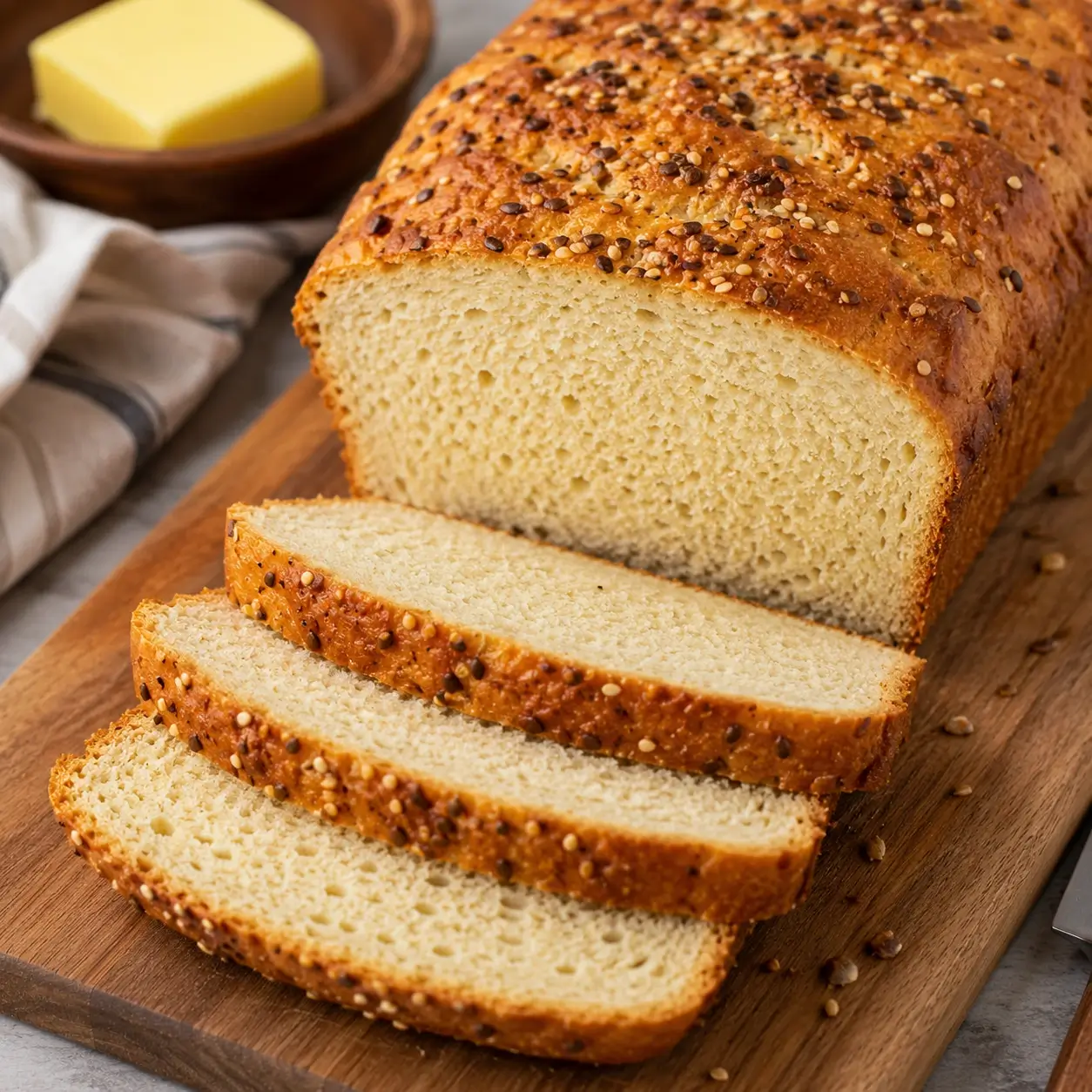
Gluten-Free Keto Bread Recipes
Ingredients
Equipment
Method
- Classic Almond Flour Keto Bread
- Preheat the oven to 350°F (175°C).
- Line a loaf pan with parchment paper or lightly grease it.
- In a large bowl, whisk the eggs until smooth.
- Add the melted butter and mix well.
- Stir in the almond flour, baking powder, and salt until fully combined.
- Pour the batter into the prepared loaf pan and smooth the top.
- Bake for 30–35 minutes or until golden brown and a toothpick inserted in the center comes out clean.
- Let the bread cool completely before slicing.
Notes
Why Keto Bread Works So Well for Gluten-Free Eating
How Keto Bread Supports Your Body
Traditional bread is built from refined wheat flour, which quickly breaks down into glucose in your body. That’s what often leads to energy crashes and cravings shortly after eating.
Keto bread, on the other hand, uses low-carb, nutrient-dense ingredients that digest more slowly.
Here’s what that means for you:
- Your blood sugar stays more stable after meals
- You avoid sudden energy crashes
- Your body can stay in a fat-burning state longer
- You feel full without overeating
Studies on low-carb diets consistently show improvements in appetite control, weight management, and metabolic stability when refined carbs are reduced.
What You Notice in Daily Life
Once you start replacing regular bread with keto alternatives, changes often show up quickly:
- Less bloating after meals
- Fewer cravings between meals
- Better portion control naturally
- More consistent energy throughout the day
It’s not about restriction, it’s about giving your body something that actually works with it.
What Makes a Good Gluten-Free Keto Bread?
The Simple Macro Goal
You don’t need perfection, just balance. A good keto bread usually follows:
- 1–5g net carbs per slice
- Healthy fats for energy and softness
- Moderate protein for structure
This balance is what makes keto bread satisfying instead of feeling like a “diet substitute.”
Key Ingredients You’ll Use Often
Most successful recipes rely on a few core ingredients:
- Almond flour: soft texture and low carbs
- Coconut flour: fiber-rich and filling
- Eggs: structure and fluffiness
- Psyllium husk: improves elasticity and bread-like texture
- Butter or coconut oil: moisture and richness
- Baking powder: helps the bread rise
Each ingredient plays a specific role in recreating the feel of real bread without wheat.
Mistakes That Can Ruin Keto Bread
Even good recipes can fail if small details are ignored:
- Too much coconut flour (leads to dryness)
- Skipping eggs or psyllium husk
- Cutting the bread while it’s still warm
- Overbaking and losing softness
Fixing these small issues dramatically improves results.
Gluten-Free Keto Bread Recipes You’ll Love
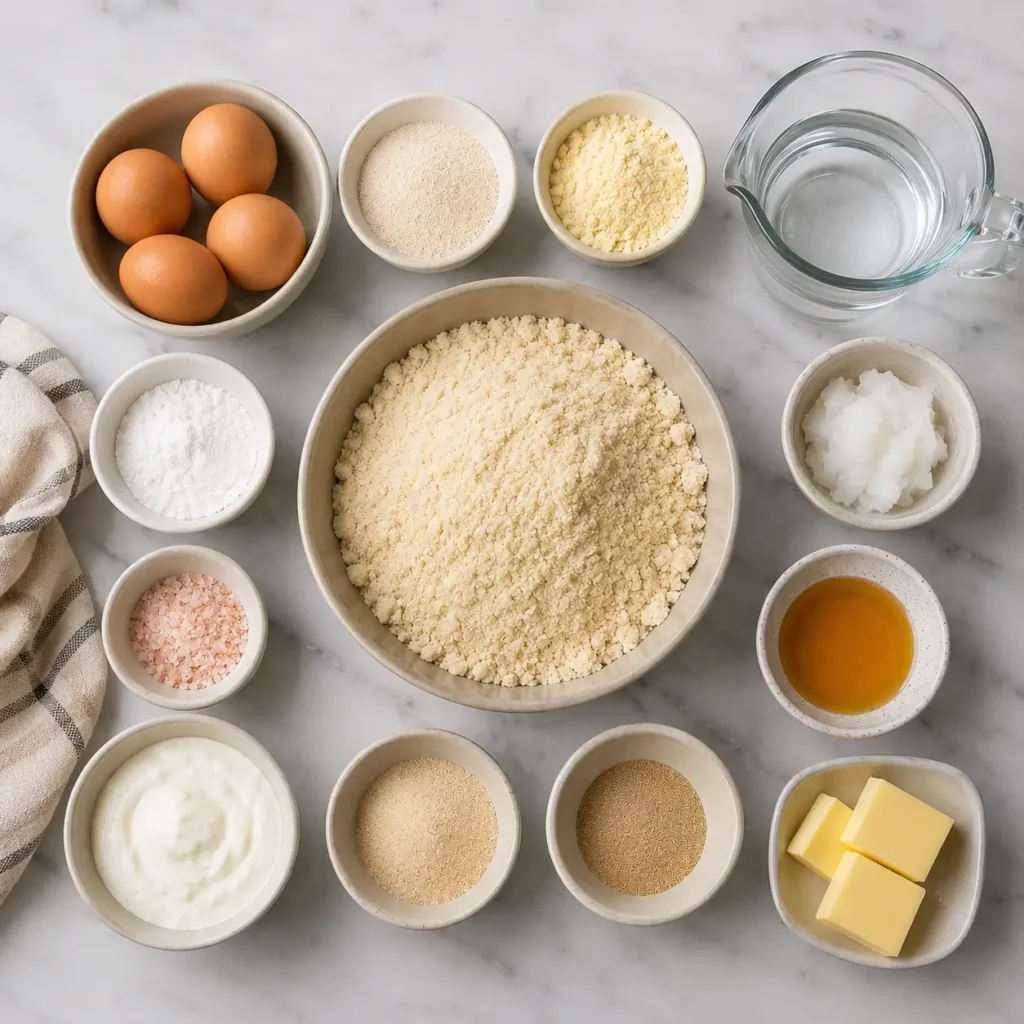
Below are three dependable recipes you can rotate throughout the week.
Classic Almond Flour Keto Bread
This is the most popular starting point for beginners because it closely resembles traditional sandwich bread.
Ingredients
| Ingredient | Quantity |
| Almond flour | 2 cups |
| Eggs | 4 |
| Butter | ¼ cup |
| Baking powder | 1 tsp |
| Salt | ½ tsp |
Why it works
This version is soft, slightly nutty, and holds together well. It’s one of the easiest keto bread recipes to master and works perfectly for toast, sandwiches, or even French toast.
You get familiar texture without the carb spike.
Coconut Flour Keto Bread (Light & High Fiber)
If you prefer something lighter but more filling, this is a great option.
Ingredients
| Ingredient | Quantity |
| Coconut flour | ½ cup |
| Eggs | 5 |
| Coconut oil | ¼ cup |
| Almond milk | ½ cup |
| Baking powder | 1 tsp |
Why you’ll like it
Coconut flour absorbs moisture and expands in the stomach, making you feel full faster and longer.
It’s especially useful if your goal is weight management or appetite control.
Psyllium Husk Keto Bread (Best Texture Overall)
This version is often considered the closest thing to real bread.
Ingredients
| Ingredient | Quantity |
| Almond flour | 1½ cups |
| Psyllium husk | 2 tbsp |
| Eggs | 3 |
| Apple cider vinegar | 1 tbsp |
| Baking powder | 1 tsp |
Why it stands out
Psyllium husk creates elasticity, giving this bread structure and chewiness similar to wheat bread. It slices cleanly and holds toppings without falling apart.
If you want a “real bread” experience, this is the one.
How to Improve Keto Bread Flavor and Texture
Enhance Taste Without Adding Carbs
You can easily elevate your bread with:
- Garlic powder for savory depth
- Rosemary or thyme for aroma
- A small amount of cheese for richness
Get Better Texture Every Time
A few habits make a big difference:
- Always cool completely before slicing
- Use parchment paper for easy removal
- Don’t rush baking time
These steps help you avoid crumbly or dense results.
Storage Tips for Freshness
To keep your keto bread usable throughout the week:
- Store in an airtight container for 3–5 days
- Freeze slices for longer storage
- Toast before eating for best texture
Keto Bread vs Regular Bread
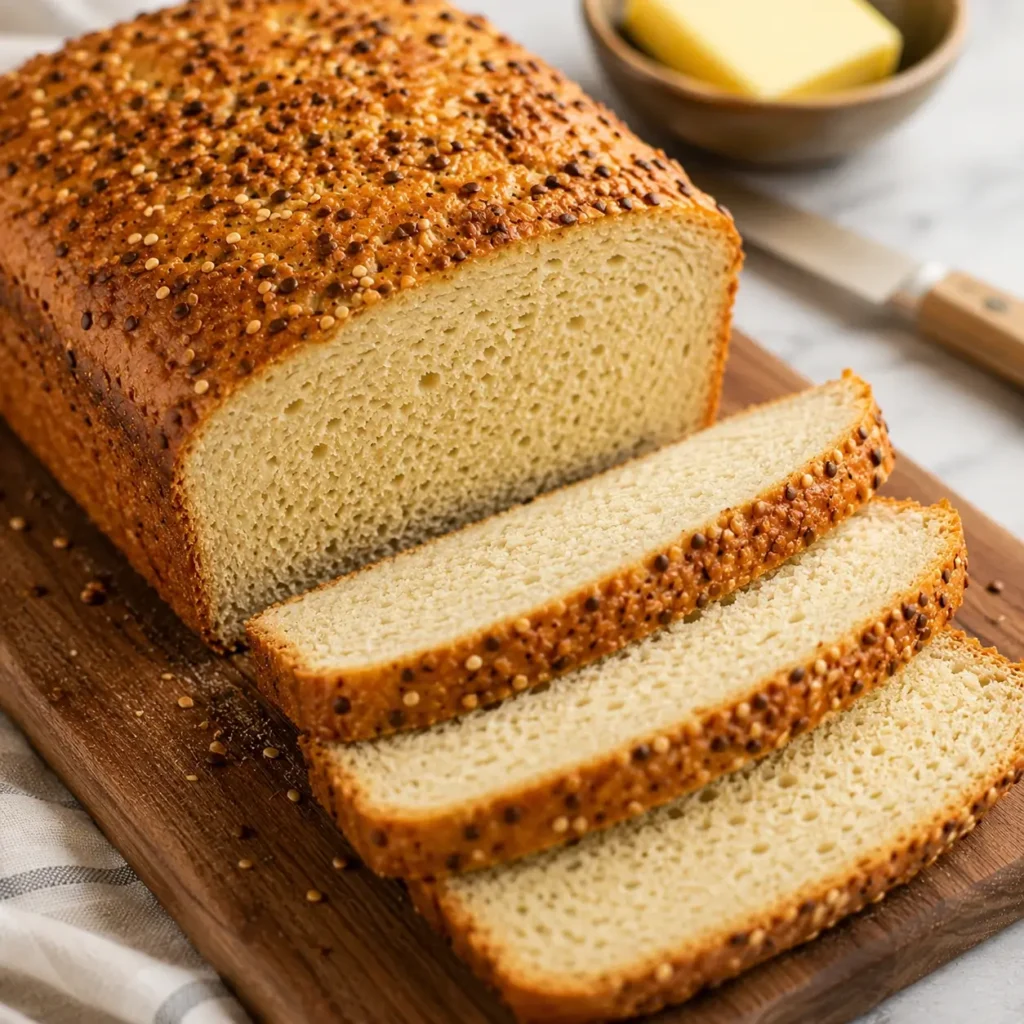
Carb Difference
- Keto bread: 1–5g net carbs per slice
- Regular bread: 15–25g carbs per slice
That difference alone can significantly impact daily carb intake.
Energy and Hunger Control
Keto bread digests more slowly, which means:
- No sharp sugar spikes
- Longer-lasting energy
- Fewer hunger crashes
Why It Helps With Weight Goals
Because it’s lower in carbs and more filling, keto bread naturally supports portion control. You feel satisfied sooner and stay full longer without overeating.
FAQ About Keto Bread Gluten-Free Recipes
What is keto bread made of?
It’s typically made from almond flour, coconut flour, eggs, and healthy fats instead of wheat.
Is keto bread gluten-free?
Yes, most keto bread recipes are naturally gluten-free because they avoid wheat and related grains.
Can I eat keto bread every day?
Yes, as long as it fits your daily carb and calorie goals.
Why is my keto bread too dense?
It’s usually caused by too much coconut flour or missing binding ingredients like eggs or psyllium husk.
How many carbs are in keto bread?
Most recipes range between 1–5g net carbs per slice depending on ingredients.
Conclusion: Bring Bread Back Without Breaking Your Diet
You don’t have to choose between enjoying bread and staying on track. With the right keto bread recipes, you can bring back something familiar while still supporting your health goals.
Start with one recipe this week and see how it fits your lifestyle. Adjust flavors, experiment with textures, and find the version you actually enjoy eating, not just tolerate.
If this guide helped you, try one recipe today and see how easy it is to keep bread in your life without the carbs or guilt.
LEAVE A COMMENT
There are no reviews yet. Be the first one to write one.